거짓말 탐지기(Polygraph)란?
허언 탐지기(거짓말 탐지기)는 주어진 질문에 대한 인체의 반응을 기록하도록 만들어진 기구를 통틀어 말합니다.
일반적으로 거짓말을 탐지하는 기계로 알려져 있으며 주로 범죄 수사에 이용되어 왔습니다.
하지만 사람이 거짓말을 할 때 그것을 오차 없이 알아낼 수 있는 기계는 없습니다. 따라서 다른 증거, 관찰, 정보와 관계를 지어 판단해야 합니다. 정상적인 신경과민, 개인의 신체적 정신적 기형, 불편함, 과도한 사전 검사, 혹은 질문에 무관심 등은 검사의 정확도에 영향을 끼칠 수 있습니다.
탐지기는 혈압, 맥박, 호흡의 변화를 동시에 기록하는 여러 기계로 이루어졌습니다. 피부의 표면에 전기적 전도성 또한 측정할 수 있습니다. 땀샘의 활성도가 증가하면 피부의 전기 저항이 감소되게 됩니다. 1945년 미국의 범죄학자 존 에드워드 레이드에 의해 만들어진 레이드 탐지기는 근육의 움직임도 측정하게 되어있습니다.
생리적인 변화가 작은 유니트를 통해 전달되어 그래프 종이에 동시에 기록이 됩니다. 이것들을 상호 연관 지어 분석하여 피검사자가 거짓말을 하는지 결정하게 됩니다.
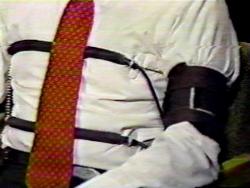
Polygraph, any of various devices designed to register a person's bodily responses to being questioned. Popularly known as a lie detector, the polygraph has been used chiefly in criminal investigations. Because no machine can unerringly recognize when a person is lying, the polygraph results are used in conjunction with other evidence, observations, and information. Ordinary nervousness, individual physical or mental abnormalities, discomfort, excessive pretest interrogation, or indifference to a question affect test accuracy. A polygraph is actually several instruments combined to simultaneously record changes in blood pressure, pulse, and respiration.
The electrical conductivity of the skin's surface can also be measured; increased sweat-gland activity reduces the skin's ability to carry electrical current. The Reid polygraph, devised in 1945 by American criminologist John Edward Reid, also records muscular movement.
Physiological changes are transmitted, through a small panel unit, into synchronized readings on moving graph paper; these parallel graphs are then correlated and interpreted to determine whether the subject is lying.
